
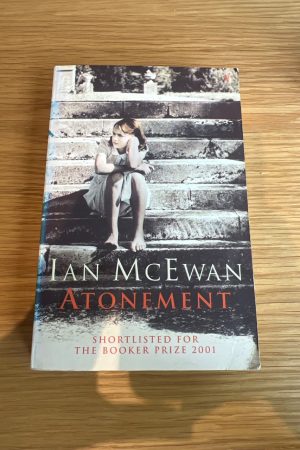
Ian McEwan writes literary fiction that often begins with a private mistake or act of interpretation and follows its consequences far beyond the original moment. Atonement opens in an English country house in 1935, where thirteen-year-old Briony Tallis misreads events involving her sister Cecilia and Robbie Turner and makes an accusation that changes several lives. Enduring Love begins with a fatal ballooning accident and develops into a story about obsession and competing versions of reality, while On Chesil Beach compresses a marriage crisis into a single evening in 1962. McEwan's prose is controlled and closely observant, with perspective, memory and withheld information frequently determining how a story is understood. McEwan is most useful to readers of psychological and historical literary fiction where a single misunderstanding, accusation or private decision can reshape an entire life; Julian Barnes and Kazuo Ishiguro are useful neighbouring authors. Read more Less

 No products in the cart.